The Difference Between Selling Garage Storage and Installing Garage Storage
Many field contractors and handy workers run highly successful service operations built entirely on their technical trade skills. However, when trying to scale a business, relying solely on manual labor often limits your revenue growth. Shifting your company focus toward selling garage storage systems—rather than just executing a basic garage storage installation—fundamentally changes your company’s financial potential. This shift moves your business from a volatile hourly labor structure into a highly predictable, recurring retail product model.
Understanding this critical distinction is the first major milestone required to transition your crew from standard field installers into an authorized, highly profitable garage cabinet dealer.
The Core Distinction: Sales Strategy vs. Technical Execution
Technical execution is straightforward: your crew shows up with a level, a miter saw, and a laser line to mount panels securely to wooden wall studs. It is a linear, labor-dependent service that charges strictly by the hour or by the square foot. Conversely, building a premium product sales system requires a deeply consultative approach. You are no longer selling raw PVC plastic or metal shelving; you are actively selling customized organization, valuable space optimization, and peace of mind.
When you shift your mindset toward a product-focused garage storage business model, your team stops competing on rock-bottom labor pricing. Instead, you begin capturing substantial retail product margins before your work truck even leaves the shop.
Key Milestones for Product Revenue Growth
- Consultative Pitching: Shifting customer conversations from material thickness to long-term space recovery.
- Upfront Retainers: Securing product material deposits before scheduling field labor teams.
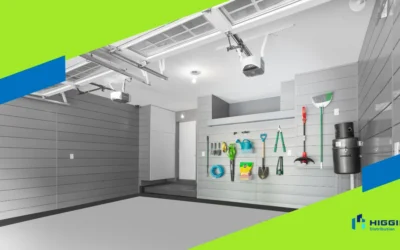
- Value-Based Packaging: Bundling heavy-duty slatted wall tracks directly with luxury workstation configurations.
Mastering Layout Design and Customer Education
The most common hurdle for field teams transitioning into sales is mastering spatial floor planning and managing customer expectations. A great installer can make any product fit on a flat wall, but a top-tier dealer actively anticipates structural obstacles like water heaters, electrical panels, and vehicle door clearance paths before placing a factory order.
Educating your residential clients on the key engineering differences between premium modular systems and cheap retail big-box shelving establishes immediate professional authority, justifying your premium turnkey pricing structures.
Essential Design Rules for High-Load Storage Layouts
- Verify Spatial Clearances: Always account for overhead garage door tracks, lighting fixtures, and plumbing cleanouts.
- Calculate Total Weight Loads: Select specific materials that safely hold up to 75 pounds per square foot.
- Map Vehicle Footprints: Ensure deep storage lockers do not block daily passenger vehicle parking zones.
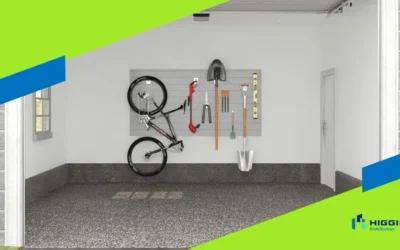
- Incorporate Growth Space: Leave open areas on modular slatwalls for your clients to add hooks and bins later.

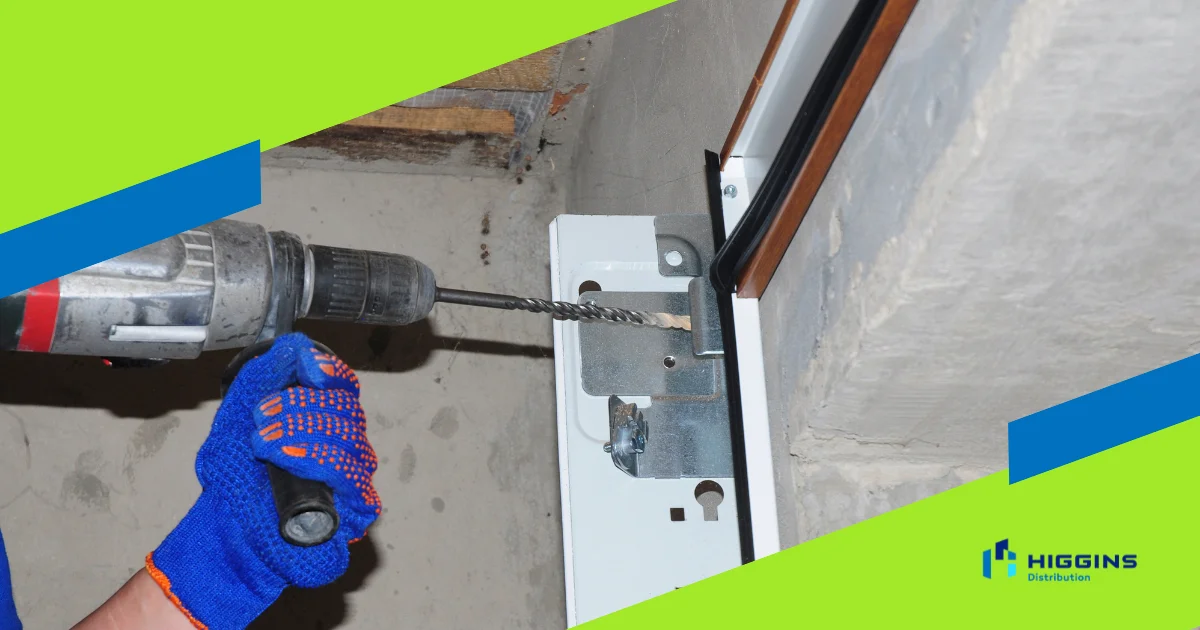
Young guy installing garage storage
Streamlining Wholesale Ordering and Logistics
To run a highly profitable organization company, you must master supply chain logistics. Installers usually buy materials piece-by-piece from local hardware stores, which kills profit margins through retail markups and wasted travel time. Scaling your business means partnering with an established wholesale distributor to buy commercial components in bulk.
By streamlining your freight logistics and maintaining clean SKU ordering pipelines, you can cut down project lead times and secure much higher margins on every single job site.
Logistics Checklist for Commercial Trade Operations
- Consolidate Material Freight: Combine your component orders into single LTL pallet shipments to minimize freight costs.
- Verify Component Deliveries: Audit all inbound hardware boxes immediately to prevent costly field installation delays.
- Establish Dedicated Shop Storage: Create a secure, organized staging area in your warehouse for upcoming customer projects.
- Build a Strong Factory Partnership: Join an established, professional wholesale garage cabinet dealer program for reliable product access.
- Standardize Your Stock: Keep high-demand slatwall profiles and trim pieces on hand for fast turnaround times.
Frequently Asked Questions
What is the profit margin difference between installing and selling garage storage?
Pure installation labor typically yields fixed hourly service margins vulnerable to crew downtime. Selling premium organization hardware lets your business capture substantial product markups alongside standard labor fees, often doubling your average project revenue.
How do I join a wholesale dealer network?
You can apply online through our official channel to become a dealer. Joining gives your company direct access to bulk tier pricing, professional design software support, and commercial-grade storage inventory.