What Home Service Businesses Should Know Before Adding a Product Line
Maximizing revenue per customer is the ultimate goal of scalable home service business growth. However, expanding your business layout presents a classic operational dilemma. Should you introduce new labor-intensive service lines, or is it smarter to add a product line to service business structures already in place? For established owners, such as a specialized garage storage dealer, a premium flooring contractor, or a repair specialist, the answer lies in physical assets.
Introducing a premium physical contractor product line can dramatically boost your average ticket sizes without forcing you to double your installation staff. Yet, executing this strategy poorly can clutter your warehouse, overcomplicate your schedules, and strain your field technicians. To scale successfully, you must strategically evaluate gross margins, logistical fulfillment constraints, training timelines, and product brand control before launching an upgrade program.
Evaluating Margins and Revenue Potential Per Ticket
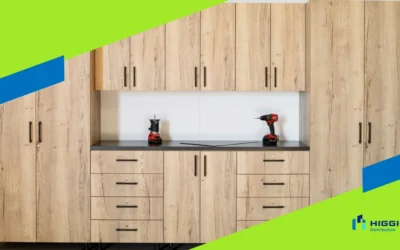
Gross margin represents the most vital financial metric when looking to add a product line to service business models. Many business owners make the mistake of adding cheap, low-ticket accessories that require significant driving time but yield minimal profit. To move the needle, prioritize high-ticket, high-margin assets that naturally complement your core offerings. When you sell premium cabinetry or organizational systems, you drastically alter your revenue-to-labor ratio. Instead of billing solely for technical hours, you capitalize on high-value hardware, allowing your business to generate thousands of dollars more per driveway stop.
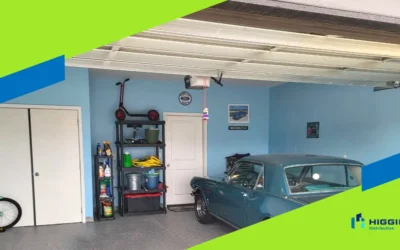
Consider the difference between chasing cheap repair upsells and offering complete upgrades. Introducing custom garage organization systems allows you to anchor your revenue in premium physical assets. This strategy protects your profitability from being eaten away by rising labor costs or volatile trip expenses, ensuring predictable returns on every job site. Review the operational advantages outlined in our Higgins Dealer Program Overview to see how optimized pricing structures protect your bottom line. By transitioning your team from a basic fix-it service to a premium space transformation company, you capture an affluent demographic eager to pay for turnkey residential upgrades.
High-Margin Add-On Revenue Signals
Identifying the right financial indicators ensures your team focuses only on high-value residential opportunities. When assessing a potential new inventory catalog, analyze how the manufacturer’s suggested retail price aligns with your current ticket averages. A truly viable asset extension should immediately double or triple the baseline economic output of a standard service call.
By anchoring your sales scripts around premium structural enhancements, you bypass the pricing constraints common to basic repair services. This clear distinction allows your sales reps to target higher-income neighborhoods effectively. It ensures your business avoids competing for thin margins on cheap accessory add-ons that require heavy driving time and long-term administrative overhead.
- Gross margins must exceed forty percent to safely absorb initial sales and administrative costs.
- The product should naturally increase your average ticket size by thousands of dollars per home visit.
- Pricing structures must remain entirely independent of local competitor labor rate wars.
Key Benefits of High-Margin Structural Upsells
Emphasizing high-margin physical systems provides a powerful financial safety net for your home service business. Unlike labor fees, which fluctuate based on employee speed, fixed product margins deliver highly predictable returns on every estimate. This financial predictability allows you to reinvest in aggressive marketing campaigns, buy updated equipment, and fund ongoing corporate expansion.
Furthermore, these structural home upgrades fundamentally change how local real estate markets view your brand’s core value. Instead of being seen as an emergency technician called during a breakdown, your company is positioned as an elite property improvement partner. This prestige naturally supports higher pricing structures across all of your existing maintenance divisions.
- Protects your company cash flow from seasonal service lulls.
- Accelerates your pathway to hitting aggressive annual revenue targets.
- Increases your total enterprise value if you choose to exit or sell the company later.
- Maximizes the net profit generated from your existing local marketing spend.
Fulfillment and Inventory Control Without the Overhead Nightmare
Traditional inventory management can quickly drain a growing contractor’s cash flow. Buying truckloads of bulky materials before securing sales ties up valuable working capital and demands expensive warehouse space. When looking to add a product line to service business systems, your fulfillment model must remain lean and agile. If your team is forced to spend hours counting loose hardware, sorting mixed shipments, or managing damaged panels in your own facility, the hidden administrative costs will quickly erase your projected profit margins.
Smart operators choose an on-demand, just-in-time logistics strategy instead of keeping thousands of dollars in products sitting on shelves. Partnering with a distributor that supplies pre-assembled systems allows you to keep inventory costs near zero. You simply order the exact items needed right after your client signs the contract. Discover how this modern logistical framework operates by exploring the Higgins Dealer Onboarding Workflow. This approach shifts the burden of warehousing, packaging, and quality control back onto the manufacturer, leaving your business free to focus entirely on sales and field installation.
Overhead Reduction Checkpoints
Eliminating unnecessary holding costs prevents cash flow bottlenecks during rapid expansion phases. A streamlined supply chain allows your customer service reps to convert digital quotes into active manufacturer orders in real time. This rapid processing cuts down layout lead times and builds client confidence before your crew ever arrives on site.
By choosing a production partner that ships directly to job sites or local freight hubs, you eliminate the need for expensive forklift machinery, commercial storage racks, and dedicated inventory managers. This lean operation keeps your overhead low, letting your business maintain a high-margin profile even during unexpected shifts in the local housing market.
- Zero upfront inventory commitments required to qualify for true wholesale dealer pricing.
- Just-in-time freight delivery options that sync perfectly with your upcoming field installation schedules.
- Pre-assembled manufacturing components that eliminate time-consuming field building and minimize product damage.
Training Existing Crews: Skill Set Gaps and Operational Integration
Adding advanced, highly technical services often requires hiring expensive master tradespeople or putting your team through months of intensive schooling. This creates operational friction, management headaches, and high payroll liabilities before you ever see a return on your investment. To maintain a smooth workflow, your new product line should seamlessly integrate with the foundational skills your crews already possess. The goal is to leverage your team’s existing strengths rather than forcing them to master completely foreign trades that slow down daily jobs.
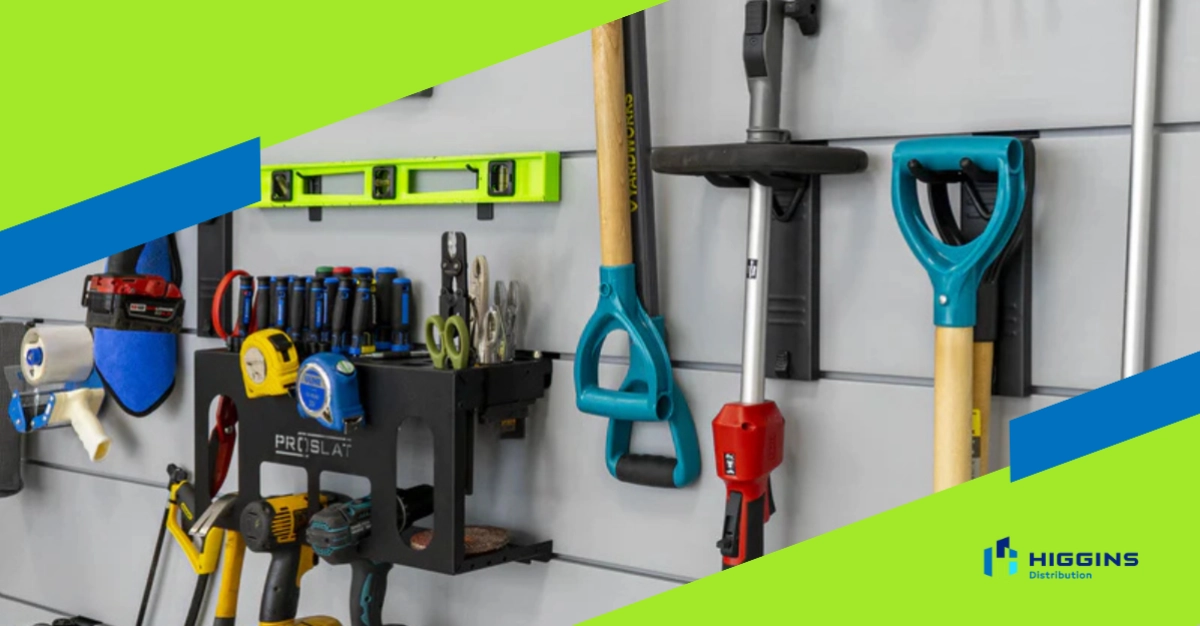
If your team can confidently handle a level, use a power drill, and locate wall studs, they can easily master custom organization setups. Transitioning into a professional garage storage dealer doesn’t require rebuilding your field teams from scratch. It simply maximizes the productivity and earning power of the skilled installers already on your payroll. Because structural systems rely on straightforward mechanical fastening, your crews can achieve flawless, beautiful results within their very first week of field deployment.
Operational Integration Milestones
Setting clear, realistic execution benchmarks keeps your daily installation operations moving efficiently and without delay. New product lines should never interfere with the scheduling or completion of your core technical service requests. Instead, they should function as a natural extension of an installer’s standard workday.
By choosing a highly standardized product suite, you drastically reduce field installation mistakes and eliminate costly callback trips. This consistency makes it easy to accurately project labor costs and plan team schedules. As a result, you can confidently fit profitable asset installation jobs right into your existing field routes.
- Onboarding and training should take days, not months, to avoid disrupting revenue.
- Installation processes must rely on standard tools your field crews already carry in their service vans.
- Comprehensive manufacturer support must include clear technical guides, step-by-step videos, and direct line access.
Core Competencies for Rapid Field Onboarding
Building an efficient field workflow requires standardizing your structural measurement and laser alignment procedures. When installers use consistent mounting methods, they finish home projects faster and ensure long-term product durability. This mechanical precision forms the foundation of every professional home transformation project.