One of the biggest questions people have about garage cabinets isn’t about color, layout, or hardware.
It’s: “What does a real job actually look like on paper?”
If you’re thinking about adding garage storage—or growing what you already offer—you don’t just need hype. You need to see how the numbers can work in a real, one-day project.
This post walks through a recent garage cabinet job from one Higgins Distribution dealer and breaks it down step by step, so you can see how revenue, costs, and profit fit together.
Quick note: This is one real example, not a promise or guarantee. Every market and business is different, but it’s a useful lens for thinking about your own pricing and margins.
A Real Job Snapshot: One-Day Garage Cabinet Install
Here’s the snapshot from a recent cabinet project a dealer completed in Nebraska:
- Customer invoice: $6,340
- Product cost (cabinets, hardware, etc.): $3,730
- Labor cost: $100
- Gross profit: a little over $2,510 on a single day of work
In other words:
$6,340 (revenue) – $3,730 (product cost) – $100 (labor) = $2,510+ gross profit
This was a one-day cabinet job. The dealer came in, installed the system, got paid, and moved on to the next project.
Let’s unpack what those numbers really mean—and how to think about them in your own business.
Step 1: Understanding the Revenue Side
Customer invoice: $6,340
This number reflects what the homeowner actually paid for:
- A complete garage cabinet layout (and any related components on that job)
- Professional installation
- The convenience and peace of mind of having someone they trust handle it
Why homeowners say yes to this kind of price point:
- They’re comparing it to years of clutter and frustration—not just materials.
- They see the garage as part of the living space, not just storage.
- They want a finished, “done-for-me” solution, not a weekend project from a big-box store.
From your side, that top-line revenue sets the stage for everything that follows—product cost, labor, and ultimately, how much the job actually contributes to your bottom line.
Step 2: Product Cost and Why It Matters
Product cost: $3,730
This is what the dealer spent on:
- The cabinet system and related components for this specific project
- Hardware and included accessories
- Any cabinet-specific costs tied to this layout
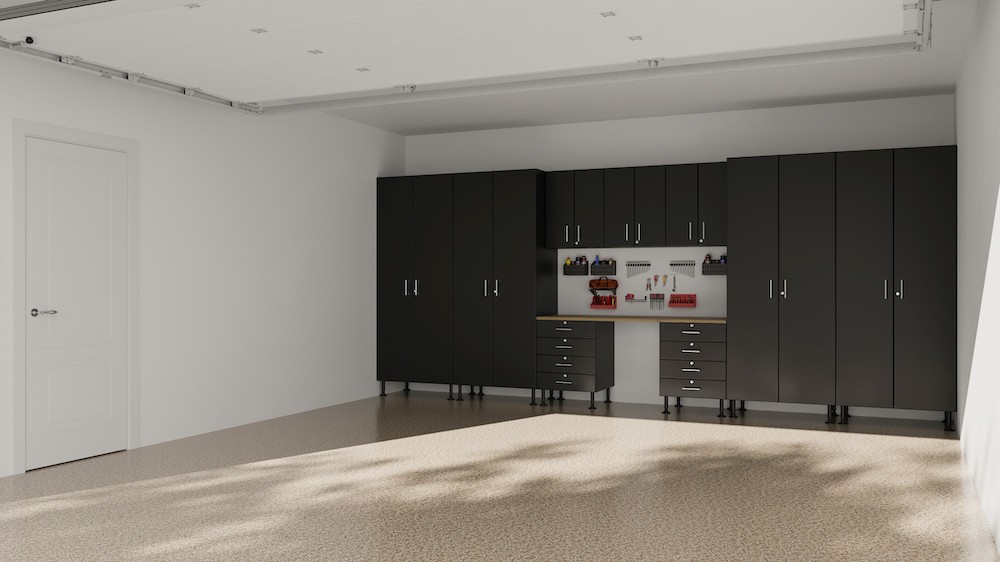
Because Higgins Distribution operates on a dealer model (not a franchise), you’re buying product at dealer pricing and then setting your own retail price.
That means you can:
- Protect your margins
- Adjust pricing based on your market
- Package cabinets and slatwall in ways that make sense for your customers
You’re not sitting on warehouse inventory or guessing what you can move. You order what you need for each job, at a known cost, and build your pricing around that.
Step 3: Labor and Job Efficiency
Labor cost: $100
This particular job was completed in a single day, with labor costs at around $100.
Labor will look different for every business depending on:
- Your crew size
- Your hourly rates or day rates
- How you handle payroll and benefits
- How many installs you’ve already done
As you and your team get more comfortable with cabinet installs, you often see:
- Shorter install times
- More predictable days on-site
- Higher confidence in quoting (because you know roughly what it takes to complete similar jobs)
The key is that labor in this example stayed low relative to both product cost and total invoice, which left plenty of room for healthy profit.
Step 4: Putting It Together — Profit on the Job
Here’s the full picture again:
- Customer invoice: $6,340
- Minus product cost: $3,730
- Minus labor: $100
Result: Over $2,510 in gross profit on one job.
That’s before you account for your ongoing overhead (vehicles, insurance, marketing, etc.), but it illustrates something important:
- A single well-priced cabinet project can contribute thousands in profit.
- When you stack those jobs throughout a month, garage storage becomes a meaningful profit center—not just a small add-on.
From a percentage standpoint, this job landed at roughly a 40% gross margin on the install day itself. Exact targets will vary by business, but this gives you a realistic view of what’s possible when you structure your pricing intentionally.
Step 5: What These Numbers Mean for You
This example isn’t about chasing a perfect match. It’s about asking:
“What would numbers like this look like with my crew, my market, and my schedule?”
Some things to think through:
- How many days a month can you reasonably dedicate to cabinet installs?
- What’s your current day rate for your crew—and how does a $2,000–$3,000 gross profit job compare to how you’re spending that time now?
- Which projects could you add cabinets to? (floors, remodels, garage doors, organizing packages, etc.)
If your average day currently brings in modest profit after materials and labor, even one or two jobs like this a week can shift your monthly numbers in a meaningful way.
Step 6: Reverse-Engineering Your Own Pricing
You don’t have to guess your way into profitable jobs. You can work backwards.
A simple way to think about it:
- Set a target profit per day. Maybe that’s $1,500, $2,000, or more—whatever makes sense in your market.
- Estimate your labor cost for the job. Factor in crew, time on site, and any prep or teardown.
- Know your product cost. With Higgins, you’ll see your cabinet and slatwall pricing clearly before you quote.
- Add it up: Product Cost + Labor + Target Profit = Minimum price for the job
From there, you can adjust up based on:
- Complexity of the layout
- Travel time
- Additional services (like slatwall or overhead storage)
The goal is to quote confidently, knowing you’re protecting your margins instead of hoping it all works out when the job is done.
Step 7: Why a Dealer Model Makes This Easier
Numbers like the example you just saw are possible because of how the partnership is structured.
As a Higgins Distribution dealer, you:
- Don’t carry inventory. You order what you need, when you need it.
- Don’t pay franchise or territory fees. Your profit stays with you.
- Keep your own brand. Your logo, your trucks, your online presence—Higgins stays in the background as your product and support partner.
- Get training and backup. From layout questions and quoting to “how would you position this estimate,” you have people to call.
That means you can focus on:
- Building relationships in your local market
- Selling and installing jobs that make sense for your business
- Growing at the pace that works for you, not a franchise playbook
Step 8: Where to Go From Here
If you’re looking at this example and thinking:
- “I could easily see a few of these on my calendar each month,” or
- “My customers are already asking for this kind of finished garage,”
…then it might be time to take a closer look at garage cabinets as a true profit center—not just a nice idea.
You don’t need to overhaul your business. You need:
- Real numbers (like the ones you saw here)
- A clear pricing framework
- A partner that supports you without taking over your brand
That’s exactly how Higgins Distribution is set up.
When you’re ready, the next step is simple: start a conversation, walk through what this could look like with your projects and your market, and decide if the math makes sense for you.